
Fire Alarm System Products
AK Industrial Solution delivers state-of-the-art fire detection and alarm systems engineered for industrial environments.
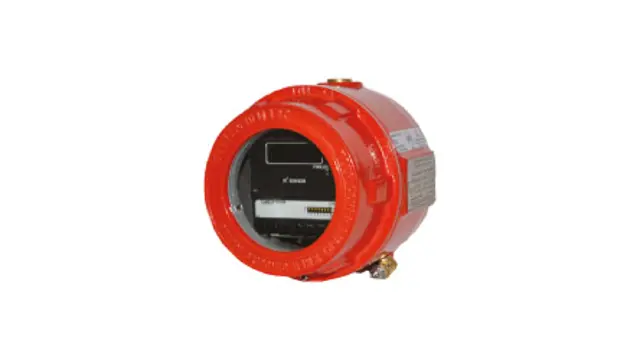
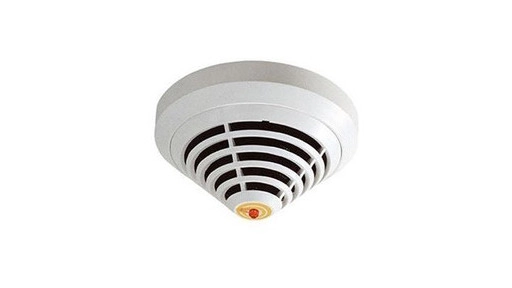
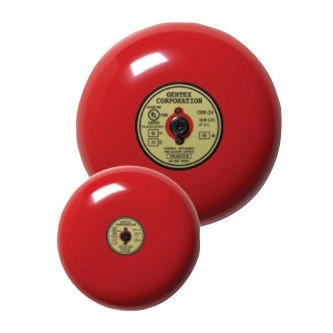
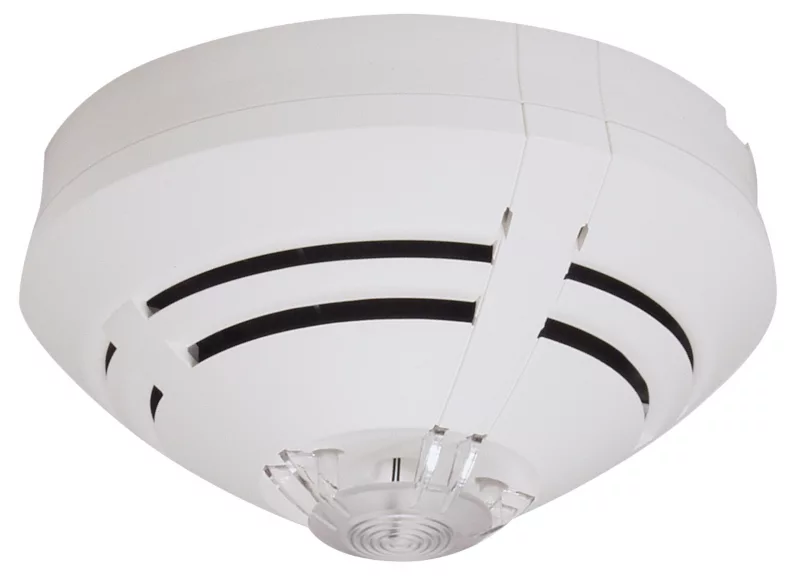
Agni/Honeywell Smoke Detector (Optical)
Optical smoke detection with addressable features for early fire warning.
Enquire Now →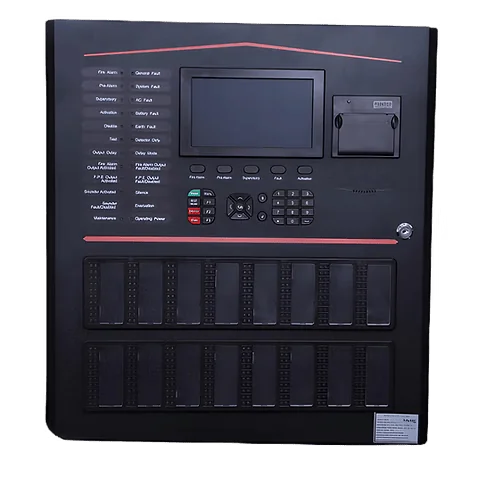
Notifier Fire Alarm Panel
Central fire alarm control panel – Addressable & Conventional
Enquire Now →

Vikramaditya Chauhan
Plant Head, Sterling Petrochemicals

Anjali Raghavan
Compliance Director, Horizon Logistics Parks
Nitin Deshmukh
Safety Manager, Matrix Heavy Engineering
Fire Alarm System FAQs
Get answers to common questions about fire detection systems, alarm technologies, installation, monitoring, maintenance, and integration.
01 What types of fire detection systems does AK Industrial Solution offer?
We provide comprehensive fire detection solutions including ionization smoke detectors for fast-burning fires, photoelectric detectors for slow-burning fires, heat detectors for high-temperature environments, flame detectors for rapid fire detection, and dual-sensor detectors combining multiple detection technologies. Systems are customized based on facility hazard profile.
02 What is the difference between conventional and addressable fire alarm systems?
Conventional systems group detectors into zones with basic on/off alerts. Addressable systems assign unique identification to each detector, pinpointing the exact fire location instantly. Addressable systems provide superior accuracy, faster response, and detailed incident documentation, making them ideal for large industrial facilities with complex layouts.
03 Are fire alarm systems required by Indian Fire Code and building regulations?
Yes. Indian Fire Code (IFC) mandates fire detection and alarm systems for all industrial facilities, warehouses, storage areas, and multi-story buildings. Local fire department regulations specify system type, detector density, and installation standards. Compliance is verified during facility inspections and required for operational permits.
04 How often should fire alarm systems be tested and maintained?
Monthly visual inspections and functional tests should be performed. Annual professional servicing includes detector cleaning, sensor sensitivity testing, battery replacement, and complete system verification. We provide comprehensive maintenance contracts with scheduled service visits, test documentation, and emergency response support.
05 Can fire alarm systems integrate with sprinkler systems and other safety equipment?
Absolutely. Modern fire alarm systems integrate with automatic sprinkler systems, emergency lighting, door access controls, and HVAC shutdown systems. When fire is detected, the alarm triggers a coordinated response: sprinklers activate, emergency exits illuminate, doors unlock for evacuation, and facilities management is notified simultaneously.
06 What is 24/7 professional monitoring and how does it work?
Our monitoring center receives real-time fire alarm signals from your system. Trained operators verify alerts, immediately notify local fire departments, and coordinate emergency response. Facility management receives simultaneous notifications. This service reduces emergency response time and supports rapid fire suppression even outside business hours.
07 How can false alarms be prevented in fire alarm systems?
False alarms are minimized through proper detector placement away from dust, steam, and cooking areas, dual-sensor technology confirming actual fires, staff training on system sensitivity adjustments, regular cleaning and maintenance, and proper tuning of detector sensitivity. Advanced systems use analytical algorithms to distinguish real fires from environmental triggers.
08 What is the typical installation timeline for a fire alarm system?
Installation timeline depends on facility size and complexity. Small facilities (under 5,000 sq ft) typically require 2–3 days; medium facilities (5,000–20,000 sq ft) need 1–2 weeks; large complex facilities may require 2–4 weeks. We schedule installations with minimal operational disruption and provide detailed project timelines during initial consultation.
09 What is the cost range for fire alarm system installation?
Costs vary based on facility size and system complexity. Basic systems for small facilities start at ₹10,000–100,000. Medium industrial facilities typically require ₹150,000–400,000 investments. Large complex facilities with 24/7 monitoring, integration systems, and advanced features range from ₹500,000–2,000,000+. We provide detailed cost breakdowns and ROI analysis.
10 Do fire alarm systems require backup power and how long do batteries last?
Yes. Fire alarm systems must operate during power outages. Backup batteries ensure continued operation for at least 24–48 hours. We recommend battery replacement annually or according to manufacturer specifications. Uninterruptible Power Supply (UPS) systems can extend backup duration for extended outages during long-term monitoring.
11 What documentation and testing records must be maintained?
Maintain detailed installation records, monthly functional test logs, annual professional maintenance certificates, detector sensitivity test results, battery replacement dates, inspection reports, and incident documentation. These records demonstrate regulatory compliance, support insurance claims, and provide evidence of diligent maintenance to fire inspectors.
12 What training do employees need for fire alarm system operations?
Employees should understand alarm sounds, evacuation procedures, designated assembly points, and emergency contact procedures. Facility managers need training on system operation, alert responses, monthly testing protocols, and maintenance schedules. We provide on-site staff training sessions and documentation for compliance records.
13 How do fire alarm systems handle multiple-building or campus facilities?
Multi-building facilities can be served through networked systems with central monitoring stations receiving alerts from all locations simultaneously. Campus-wide emergency coordination ensures synchronized evacuation, fire department response to the correct building, and unified incident documentation. Remote monitoring capabilities provide real-time status across all facilities.
14 What happens if a fire alarm detector is damaged or fails?
Modern systems identify failed detectors and alert facility management immediately. Addressable systems pinpoint the exact faulty detector. Failed detectors must be replaced within 24 hours to maintain system integrity. We maintain inventory of replacement detectors and provide emergency service to restore failed components quickly.
15 Can existing fire alarm systems be upgraded or retrofitted?
Yes. We assess existing systems and upgrade them with modern technology, expanded coverage, advanced monitoring capabilities, and better integration with other safety systems. Retrofitting is typically more cost-effective than complete replacement and minimizes facility disruption while significantly improving fire detection performance.
16 What is the response time from fire department dispatch to arrival?
Average fire department response time is 5–10 minutes from dispatch, depending on location and traffic conditions. Our 24/7 monitoring service ensures immediate fire department notification upon alarm trigger, reducing response delay. Early detection and automatic sprinkler activation, when integrated, provide critical fire suppression during this response window.