
01
Detection
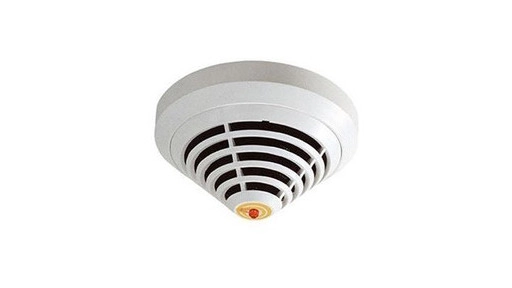
AK Industrial Solution provides certified fire extinguisher solutions for every industrial fire risk.
View All Products ↗
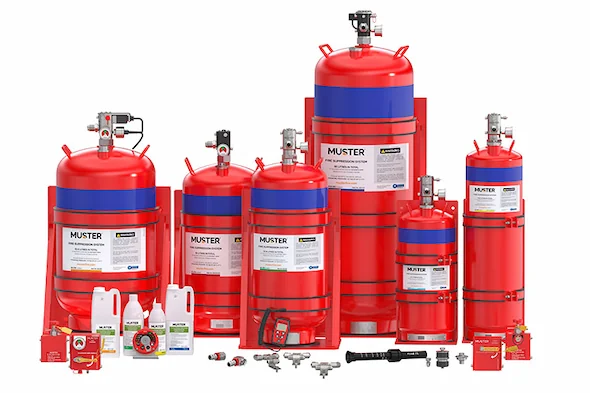
Specialized foam-based suppression for high-risk fire hazards.
Enquire Now →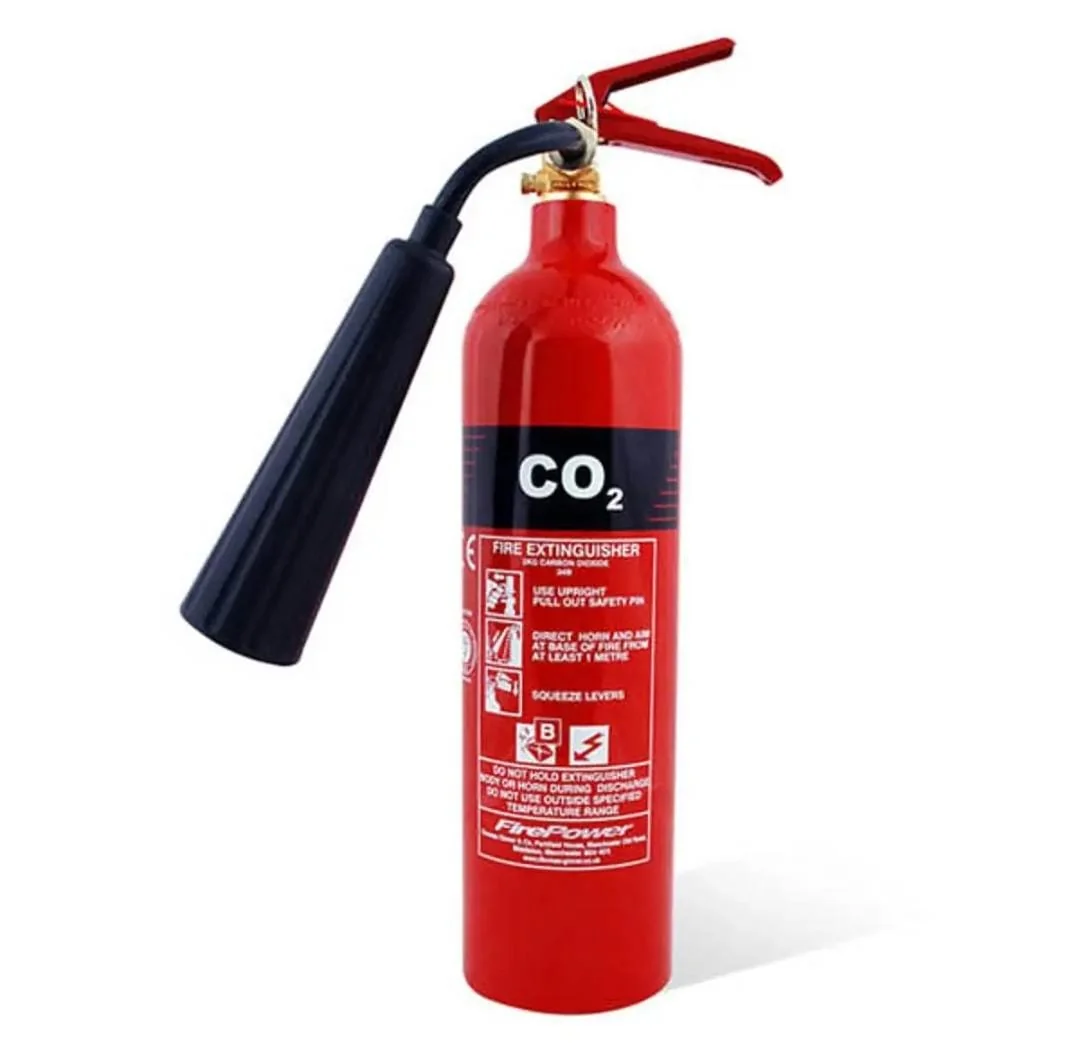
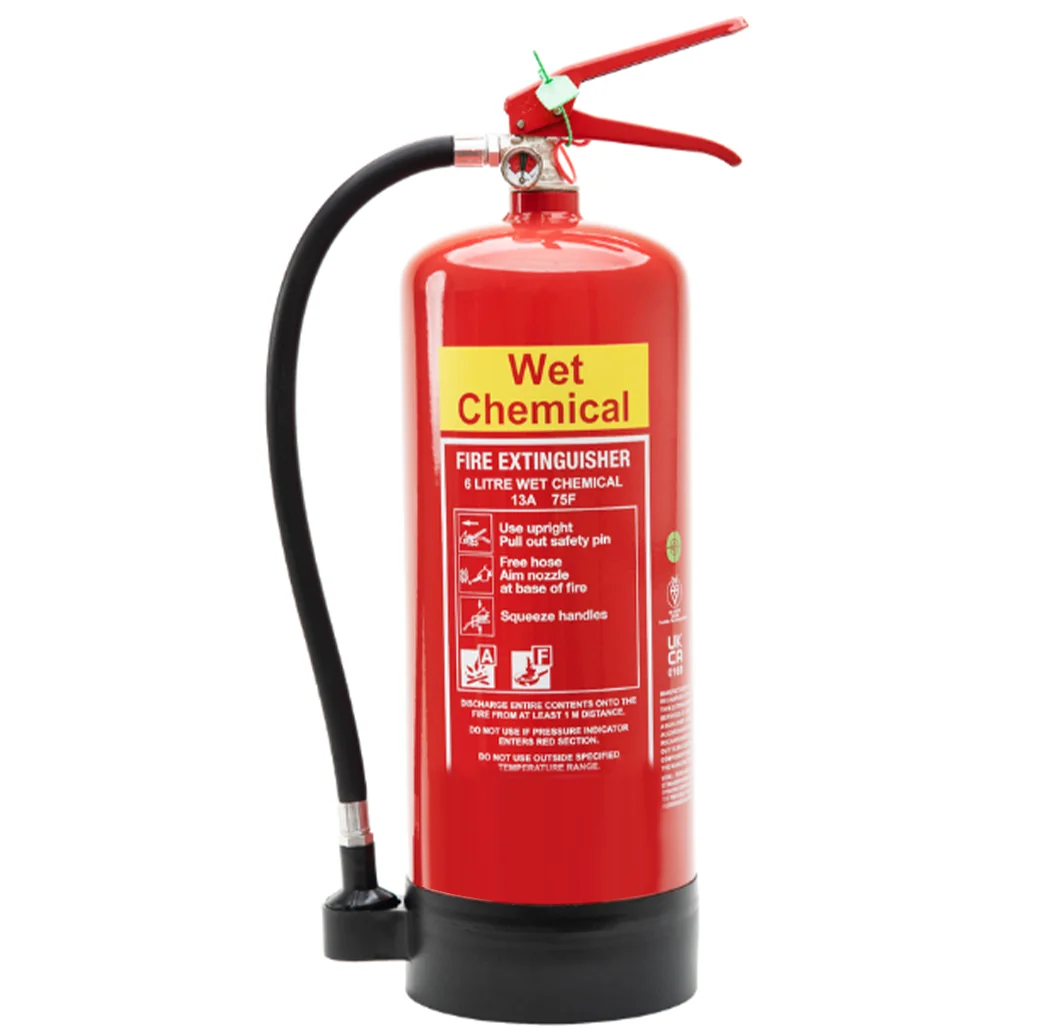
Specialized extinguisher for cooking oil and fat fires.
Enquire Now →
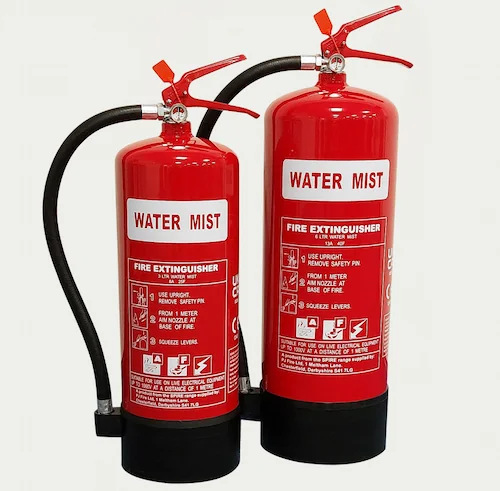
Fine water mist portable extinguisher for effective protection.
Enquire Now →
Plant Head, Sterling Petrochemicals

Compliance Director, Horizon Logistics Parks
Safety Manager, Matrix Heavy Engineering
Get answers to common questions about fire extinguisher types, placement, maintenance, safety standards, training, and servicing.
Class A extinguishers (water/foam) suppress ordinary combustible fires such as wood, paper, and plastic. Class B (foam/powder) fights flammable liquid fires such as gasoline, oil, and solvents. Class C (dry powder) handles electrical equipment fires. Class D (special powder) tackles metal fires such as magnesium and sodium. Class K (wet chemical) extinguishes cooking oil fires. Facility type determines the required extinguisher classes.
Portable extinguishers (1–5 kg) are handheld devices for immediate employee use on small fires. Stationary systems (10–50 kg+ or fixed installations) provide larger capacity for major fire scenarios or hazardous areas. Industrial facilities typically require both: portable units for worker access and stationary units for high-risk zones.
Monthly visual inspections check accessibility, pressure gauges, and physical condition. Annual professional servicing includes pressure verification, seal integrity testing, and internal/external examination. Hydrostatic testing is required every 5–12 years depending on extinguisher type. We provide comprehensive maintenance contracts with scheduled service visits and compliance documentation.
Yes. Indian Fire Code mandates fire extinguisher availability based on facility type, size, and hazard classification. Industrial facilities must maintain extinguishers at specific densities and locations. Compliance is verified during fire safety inspections and required for operational permits and insurance coverage.
Portable extinguishers (1 kg) cost ₹500–1,500; 5 kg units range ₹1,500–3,500; larger units ₹4,000–10,000+. Annual maintenance averages ₹300–500 per unit. Stationary systems cost ₹50,000–500,000+ depending on capacity and installation complexity. We provide detailed cost assessments and maintenance contract pricing tailored to your facility.
Requirements depend on facility size, hazard zones, and fire load. Generally, one 5 kg extinguisher per 500–1000 sq ft for low-hazard areas; one per 200–500 sq ft for high-hazard zones. Placement must be accessible, visible, near exit routes, and near high-risk areas such as electrical panels, chemical storage, and kitchens. We conduct facility assessments to determine optimal placement.
Dry powder, typically monoammonium phosphate or sodium bicarbonate, is non-toxic and safe for indoor facilities. It creates a residue that can be cleaned after use. Powder extinguishers work by interrupting fire chemistry and cooling burning materials. For environments sensitive to powder residue, foam or CO2 alternatives are available.
Yes. Multipurpose dry powder extinguishers (ABC-rated) suppress Class A, B, and C fires simultaneously. However, specialized Class D (metal fire) and Class K (cooking oil) extinguishers are specific to those hazards. Multi-class units simplify inventory but may be less efficient than specialized units for specific fire types.
Fire extinguishers don't technically expire but must be serviced annually to remain certified and compliant. Pressure loss due to temperature changes or minor leaks requires refilling. Hydrostatic testing is mandatory every 5–12 years. Properly maintained extinguishers remain functional indefinitely. We track service dates and provide renewal notifications.
Employees should understand the PASS technique: Pull the pin, Aim at the fire base, Squeeze the handle, and Sweep side-to-side. Training covers extinguisher types in the facility, proper selection for the fire class, evacuation procedures if the fire spreads, and reporting protocols. We provide on-site group training and documentation for compliance records.
Pressure gauges indicate extinguisher charge status. Green zone means charged and ready. Yellow zone indicates a marginal reading where service is recommended. Red zone indicates a fully discharged condition requiring immediate replacement. Regular monitoring ensures units are functional before emergencies. Any deviation from green requires immediate professional service.
No. Water is conductive and poses severe electrocution risk on electrical fires. Class C dry powder or CO2 extinguishers are required for electrical equipment fires. Water extinguishers are exclusively for Class A fires involving ordinary combustibles. Never use water on electrical, chemical, or cooking oil fires.
CO2 extinguishers discharge carbon dioxide gas, suppressing fire and providing cooling. They are ideal for clean environments such as electronics, laboratories, and food processing because CO2 leaves no residue. They are effective on Classes B and C fires. Caution is required because CO2 is cold and can cause frostbite. They are not suitable for outdoor use, where gas dissipates quickly, or confined spaces.
Damaged or expired extinguishers cannot be refilled and must be professionally disposed. Pressurized cylinders require certified hazardous waste disposal. We handle proper decommissioning, depressurization, recycling of metal components, and documentation of disposal. Never discard pressurized extinguishers in regular waste.
Fire extinguishers are reusable and can be refilled after use or partial discharge. Professional refilling ensures proper charge pressure and agent quality. Some disposable single-use models exist but are uncommon in industrial settings. Refilling is cost-effective and environmentally preferred. We provide rapid refilling and certification services.
Class K wet chemical extinguishers cool cooking oil fires and suppress vapors, making them ideal for commercial kitchens. Dry powder ABC extinguishers work but may splash hot oil violently. Wet chemical is safer for food service environments. Industrial kitchens require Class K extinguishers by code. We recommend Class K for all cooking areas.